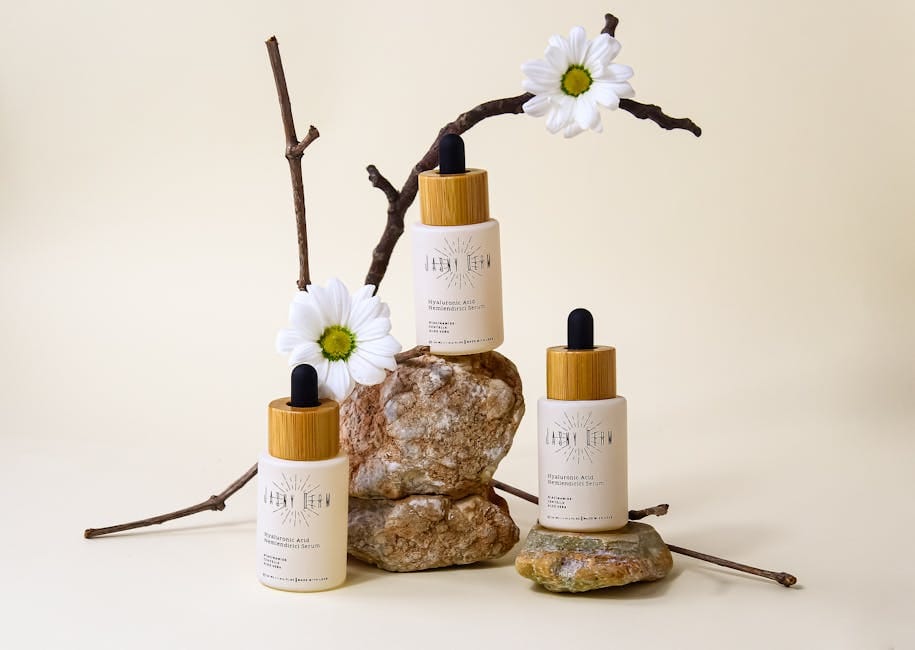
Azelaic acid is one of the most useful skincare ingredients you've probably never heard advertised. It works on acne, rosacea, and pigmentation simultaneously, doesn't irritate most skin types, and is available cheap over the counter — yet brands don't push it because there's no premium-positioning angle.
What it does and why it's underused
Azelaic acid is a naturally occurring molecule (made by Malassezia yeast on skin). At 10-20% in a topical formula it has antimicrobial action against acne bacteria, calms the inflammatory cascade in rosacea, inhibits tyrosinase (the enzyme that makes melanin), and supports the skin barrier — all without the irritation profile of most actives.
The reason you don't see it in luxury marketing: the active is generic, cheap to formulate, and the standard concentrations (10% over the counter, 15-20% prescription) are well-defined. No premium brand can sell a 'special' version. The Ordinary Azelaic Acid Suspension 10% is under a tenner and does most of what the prescription does.
Picking the format
The Ordinary Azelaic Acid Suspension 10%
Gel-cream texture, leaves a slight white cast that absorbs in a few minutes. Apply twice daily after serums. Six weeks for visible results on pigmentation, 4 weeks for redness reduction.
Paula's Choice 10% Azelaic Acid Booster
Lighter texture, mixes with other serums or moisturisers. Easier to layer.
Prescription Finacea (15%) or Skinoren (20%)
From GP or dermatologist. Stronger effect on stubborn rosacea or melasma. Same active, higher dose.
Stacking it in a routine
Azelaic acid layers safely with: niacinamide, hyaluronic acid, vitamin C, gentle retinoids. Avoid same-routine layering with: strong AHAs, BHAs at high concentration (you can use these on alternate days). Sunscreen every morning — pigmentation rebounds without.
For acne: use after a gentle cleanser, before moisturiser. For rosacea: same, plus a fragrance-free moisturiser on top. For melasma: pair with tranexamic acid morning and azelaic evening, with vitamin C in the morning.
Realistic timelines
Rosacea redness: 4 weeks to first improvement, 8-12 weeks for full benefit. Acne: 6 weeks for breakout reduction, 12 weeks for pigmentation fade from old spots. Melasma: 12 weeks minimum, often slower than tranexamic acid alone. Stop if you see persistent burning or worsening — most users feel a mild tingle for 30 seconds that resolves.
If your skin has multiple concerns and you want one active that handles several at once without barrier damage, azelaic acid is hard to beat. Six weeks of honest use will tell you whether it works for you.