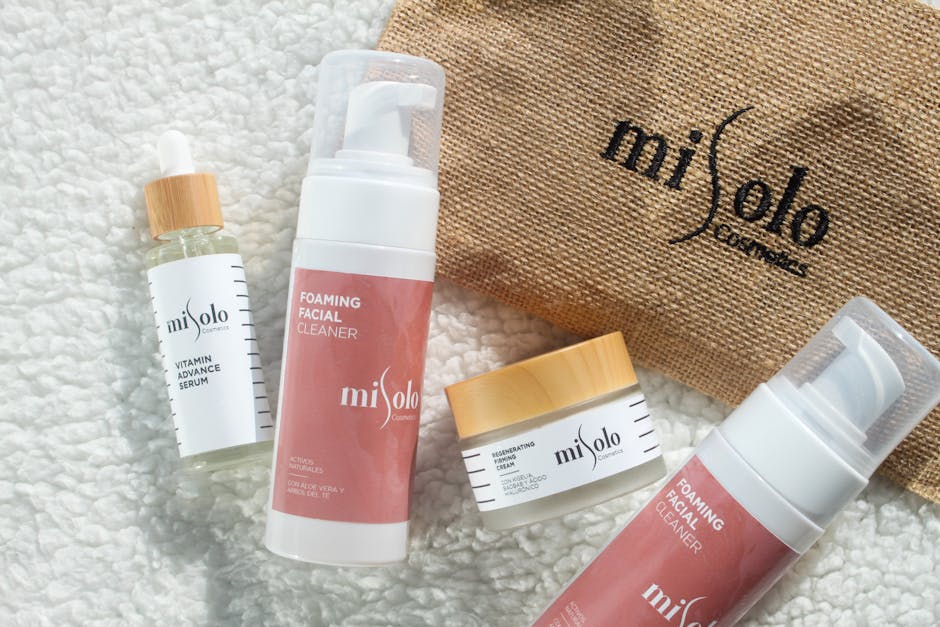
Many adults with acne are using a cleanser formulated for teenage skin. The result is a stripped barrier, compensatory oil production, and acne that the cleanser is supposed to be solving — and instead, is causing.
Why teen and adult acne are different problems
Teenage acne is usually driven by sebum overproduction during puberty. The harsh, oil-stripping cleansers marketed at teens (Clean & Clear, original Clearasil, foaming Cetaphil-for-acne) match the problem; the barrier can take the stripping because oil production replenishes fast.
Adult acne is more often hormonal or inflammation-driven. Sebum may be lower, but inflammation pathways are more sensitive. Stripping the barrier with a foaming cleanser triggers more inflammation, more redness, and rebound oil that clogs pores. The cleanser is solving a problem you don't have, while creating one you do.
Signs your cleanser is wrong for you
Tight, squeaky feeling after rinsing. Visible redness around the nose or cheeks for ten minutes afterwards. Skin that feels dry but breaks out anyway. Need for heavy moisturiser to undo the stripping. These all point to over-cleansing.
What to switch to
Cream cleanser as default
CeraVe Hydrating Cleanser (UK widely available), La Roche-Posay Toleriane Hydrating Gentle Cleanser, or Avene Tolerance Extreme Cleansing Lotion. Use morning and evening.
Oil cleanser for makeup or SPF
Heimish All Clean Balm, Banila Co Clean It Zero — use first, then follow with the cream cleanser in the evening (double cleanse).
Acids and retinoids in the routine, not the cleanser
Acne-fighting ingredients work better as leave-on products. CeraVe SA Cleanser (salicylic acid) can replace the cream cleanser two evenings a week if you want it, but daily SA cleansing is overkill for most adult skin.
How long to see the difference
Two weeks is usually enough to see whether switching helped. Acne lesions in progress will complete their cycle, but new ones should stop forming. If you see no change at four weeks, the cleanser wasn't the issue and you can look at other factors — diet, sleep, hormonal cycles, comedogenic moisturisers.
If you've never tested a non-foaming cleanser on adult acne, that's the cheapest experiment in skincare. The pharmacy basics are under a tenner each and the change often shows in days.