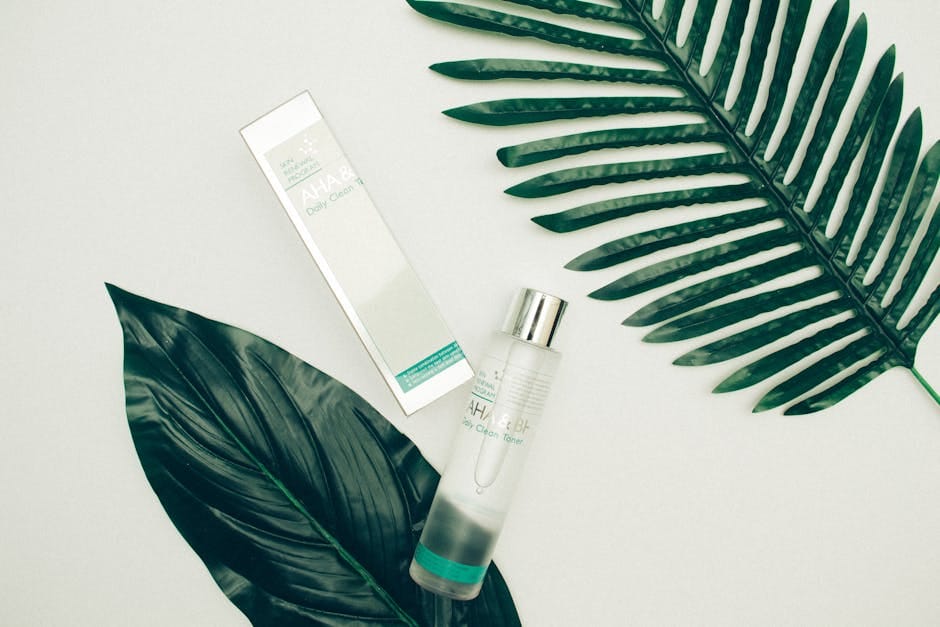
Alpha hydroxy acids (AHAs) are the most-researched chemical exfoliants in skincare. Glycolic acid is the marketing favourite, but for many faces it's the wrong choice.
Molecule size predicts behaviour
Glycolic acid has the smallest molecule (76 g/mol), penetrates fastest, and is the most aggressive. Lactic acid is mid-sized (90 g/mol), penetrates more gently, and brings mild humectant properties. Mandelic acid is the largest (152 g/mol), penetrates slowest, and is the gentlest of the three.
Penetration speed is roughly inversely proportional to molecule size. Faster penetration means more cell-turnover effect per percentage point — and more irritation per percentage point. There is no acid that's both 'maximally effective' and 'maximally gentle' at the same dose.
Matching acid to skin type
Thick, oily, photodamaged skin
Glycolic 5-10% in a leave-on toner (Pixi Glow Tonic, The Ordinary Glycolic Acid 7%). Twice weekly to start.
Sensitive, dry, or dehydrated skin
Lactic 5-10% (The Ordinary Lactic Acid 10% + HA). Gentler exfoliation plus hydration from the lactic acid itself, which is a small humectant.
Pigmentation-prone or post-inflammatory pigmentation
Mandelic 5-10% (The Inkey List Mandelic Acid 10% Treatment, Naturium Mandelic Topical Acid 12%). Lower irritation means less rebound pigmentation in melanin-rich skin.
Acne-prone skin
Salicylic acid (a BHA, not AHA) is the better first choice; mandelic acid for sensitive acne where BHA has been too much.
Use frequency and what to combine
Twice a week is the starting frequency for any AHA. Increase to alternate nights only after four weeks of tolerance. Never on the same night as retinol (compounded irritation), and always with SPF the morning after — AHAs leave skin more photosensitive for at least the first three weeks.
Stack with niacinamide for soothing on alternate nights, with vitamin C in the morning. Skip the AHA on any night you've used a physical scrub or any abrasive cleansing tool — the surface is already disrupted.
Red flags that you've overdone it
Stinging that lasts beyond two minutes after application. Flaking that doesn't moisturise away. New breakouts in unusual places (often a sign the barrier has broken and routine sebum is now irritating). If any of these, stop all actives for two weeks, use only gentle cream cleanser plus ceramide moisturiser, and restart at half frequency.
An acid that works for your friend may be wrong for you. The fastest way to find the right one is to start with the gentlest at the lowest percentage and ramp only if results plateau, not if results irritate.