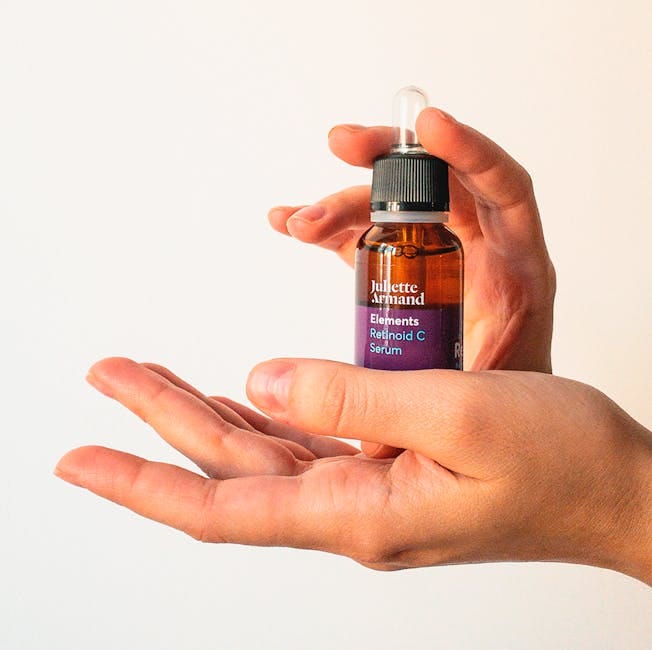
Most skincare reactions are not allergies — they're irritation, fragrance sensitivity, or over-loading the barrier. Patch testing in advance catches the majority of these before the product ends up on your whole face.
Why your face isn't a good first test surface
Facial skin is among the most exposed and reactive on the body. A reaction shows quickly, but you also have nowhere to hide it — and a reaction across the whole face takes weeks to settle. Testing on a small area first lets you observe a reaction in isolation.
The two preferred test sites: behind the ear (similar skin sensitivity to face, but hidden), or the inside of the forearm near the elbow (visible, easy to monitor). Skip the back of the hand — too thick a skin layer to predict facial reaction reliably.
The 48-hour minimum
Apply a small amount to the test site once. Wait 24 hours, observe. If no reaction, apply again. Wait another 24 hours. A 48-hour single-application test catches most irritation. A 7-day repeat-application test catches delayed reactions and cumulative buildup.
Reactions to look for: redness that persists more than 30 minutes, stinging that lasts beyond initial application, itching, small bumps, or peeling. Mild tingling on first application of an acid or retinol is normal; persistent stinging is not.
Which products genuinely need testing
Any active ingredient at clinical concentration
Retinoids, AHAs/BHAs above 5%, vitamin C above 15%, azelaic 10%+, niacinamide 10%+.
Anything with fragrance
Essential oils, perfume blends, citrus oils. Even 'natural' fragrance is the leading cause of cosmetic skin reactions.
Products with multiple new ingredients
If you can't trace which ingredient might react, test as a unit first.
Body products applied to face
Lotions and treatments formulated for body skin are often too rich or contain ingredients face skin reacts to.
When patch testing isn't enough
Allergic contact dermatitis sometimes shows only after multiple exposures over weeks. If you patch test fine but react during routine use, an ingredient reaction is still possible — track which products were new in the week before the reaction. A dermatologist can run formal patch testing (chamber testing with known allergen panels) if the cause is unclear.
Patch testing feels slow when you're excited about a new product. It's still cheaper than discovering a £40 serum doesn't work for you after you've put it across your entire face.