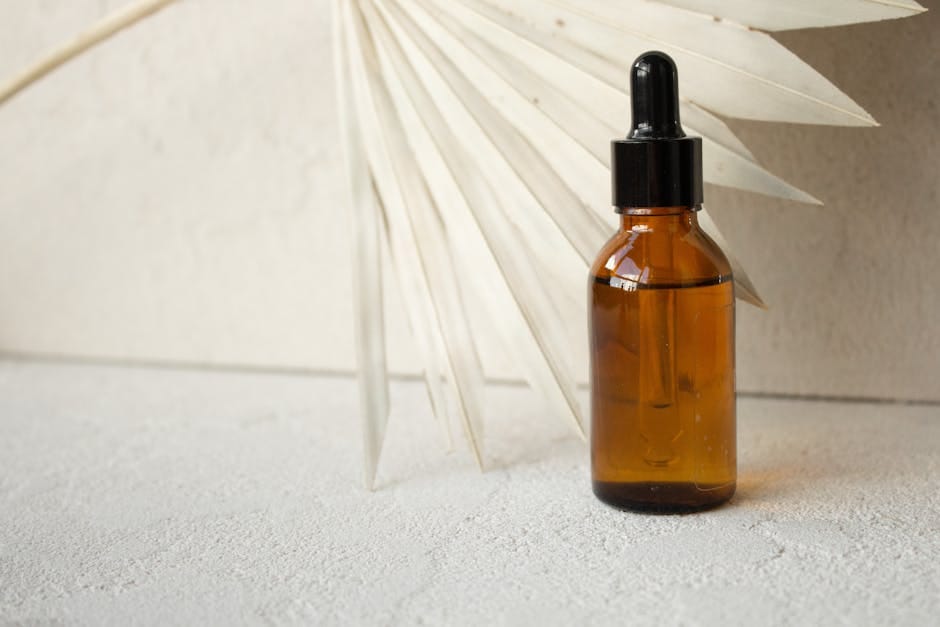
Pure L-ascorbic acid is the gold-standard vitamin C, with the most clinical data behind it. It's also chemically unstable — oxidising on exposure to air, light, and heat. The bottle on your shelf is usually working against you.
What oxidation actually does
Fresh L-ascorbic acid is clear or pale yellow. As it oxidises it turns amber, then orange, then brown. The brown form (dehydroascorbic acid) isn't just inactive — applied to skin, it can drive pigmentation rather than fade it. The visible colour change is the warning.
Most people don't replace their vitamin C product on a timeline; they finish the bottle. If you opened it three months ago and it's been on a bathroom shelf, statistical odds are you're applying oxidised C right now.
What stabilises it (and what doesn't)
Three things genuinely help: pH below 3.5, the antioxidants ferulic acid and vitamin E in the formula, and packaging that excludes light and air. Skinceuticals CE Ferulic is the patented benchmark for this combination. Cheaper versions like Timeless 20% C + E + Ferulic copy the formulation at a fraction of the price.
What doesn't help: simply being in a brown bottle (most are, but airless pumps matter more), 'encapsulated' marketing claims without a published stability study, or refrigeration alone (helps slightly, not enough).
Alternatives that solve the stability problem differently
Ethyl ascorbic acid (3-O-ethyl ascorbic acid)
Synthetic derivative, stable at neutral pH. Less clinical data than L-ascorbic but enough to recommend. The Ordinary's Ethylated Ascorbic Acid 15% is the cheap UK option.
Sodium ascorbyl phosphate (SAP)
Stable, gentle, slowest acting. Good for sensitive skin or as a starter.
Tetrahexyldecyl ascorbate (THD)
Oil-soluble, very stable, expensive. Drunk Elephant C-Firma Day Serum uses it. Slower visible results than L-ascorbic but no oxidation drama.
Storage that actually extends the life
Keep the bottle away from the bathroom — heat and humidity halve the shelf life. A bedroom drawer is fine. Refrigeration adds maybe a month. Decant into an opaque, airless pump if your serum came in a dropper bottle (droppers vent every time). Once your serum has turned amber, accept it's done and replace it.
A C serum that's been on your shelf for six months is probably doing less than nothing. The price difference between a fresh well-formulated product and a stale one of any tier is the most important spend decision in the category.