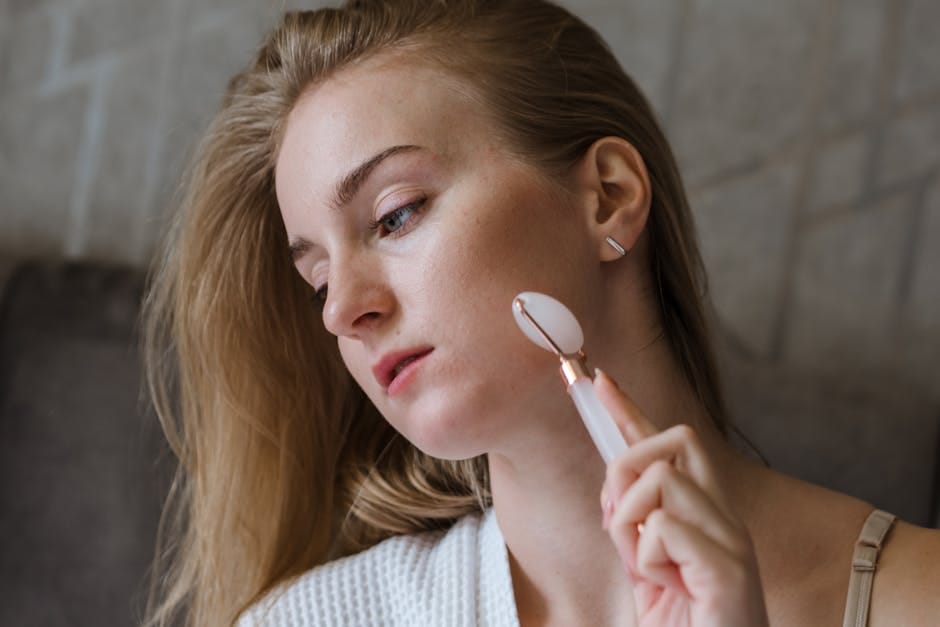
Microneedling — creating controlled micro-injuries to trigger collagen production — has solid evidence for specific uses and weak evidence for others. The home derma-roller industry overstates results; in-clinic microneedling underdelivers on retail expectations.
Where the evidence is strong
Acne scarring (atrophic/icepick scars)
Multiple sessions of in-clinic microneedling (1.5-2.5mm needles, 4-6 sessions, monthly) produce visible improvement in scar depth. Home derma-rollers (0.25-0.5mm) don't reach the depth needed.
Stretch marks
Similar to acne scarring — needs clinical-depth needling for results.
Skin texture and pore appearance
Moderate evidence. In-clinic helps; home tools give cosmetic-level skin smoothing.
Where it underdelivers vs marketing
Wrinkle reduction: minor and short-lived. Retinoids and SPF do more. Pigmentation: variable; risk of worsening pigmentation in deeper skin tones (post-inflammatory hyperpigmentation). Don't expect transformation.
Home derma-roller realistic expectations
0.25mm rollers don't reach dermis. Useful as a skincare-delivery enhancer (immediately apply hydrating serum after) but won't drive collagen meaningfully. Sanitise after each use (70% isopropyl alcohol), replace every 2-3 months. Never use over active acne or open skin.
For scarring and skin texture, professional microneedling is worth considering. For wrinkles and pigmentation, simpler interventions (retinoid, sunscreen, acid) do more.