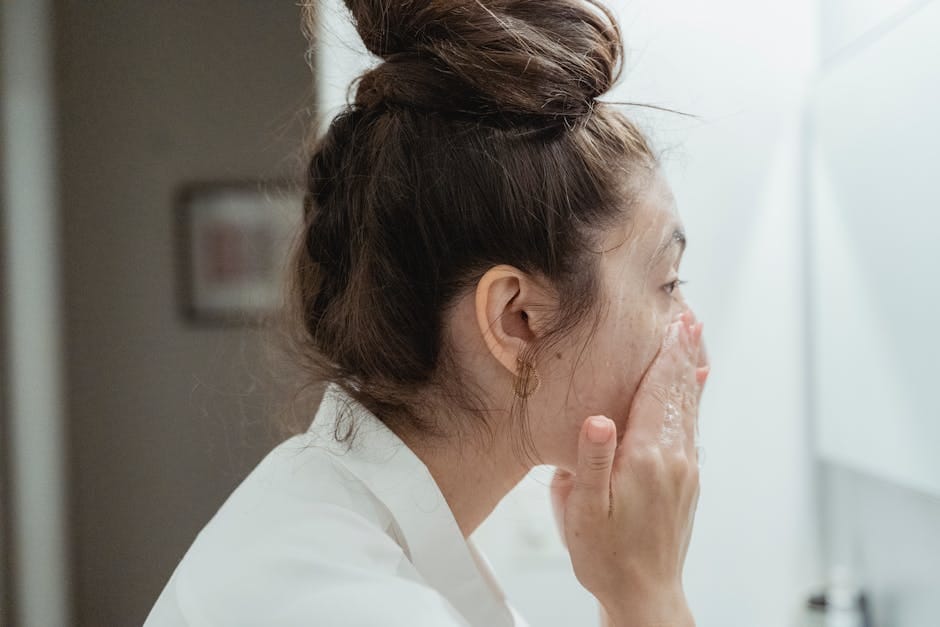
Before-after photos are skincare's most-used and least-reliable marketing tool. Lighting changes, makeup additions, retouching, and selective angle choices can produce dramatic apparent changes from products that didn't actually do anything.
What manipulates photos easily
Lighting (harsh vs. soft, sidelight vs. flat). Camera angle (tilted down ages, tilted up flatters). Makeup base layer (concealer alone produces dramatic 'after'). Retouching apps. Frowning vs. relaxed expression. All add up to apparent transformation from no actual change.
What real evidence looks like
Clinical trials with standardised photography (same lighting, angle, time of day). Independent third-party measurement (tewl, hydration meters, image analysis software). Multiple subjects over multiple time points. Open peer review.
If a product's evidence is primarily before-after photos rather than clinical data, treat the evidence as marketing, not science. Real skin change shows in controlled measurement, not in one good photo.