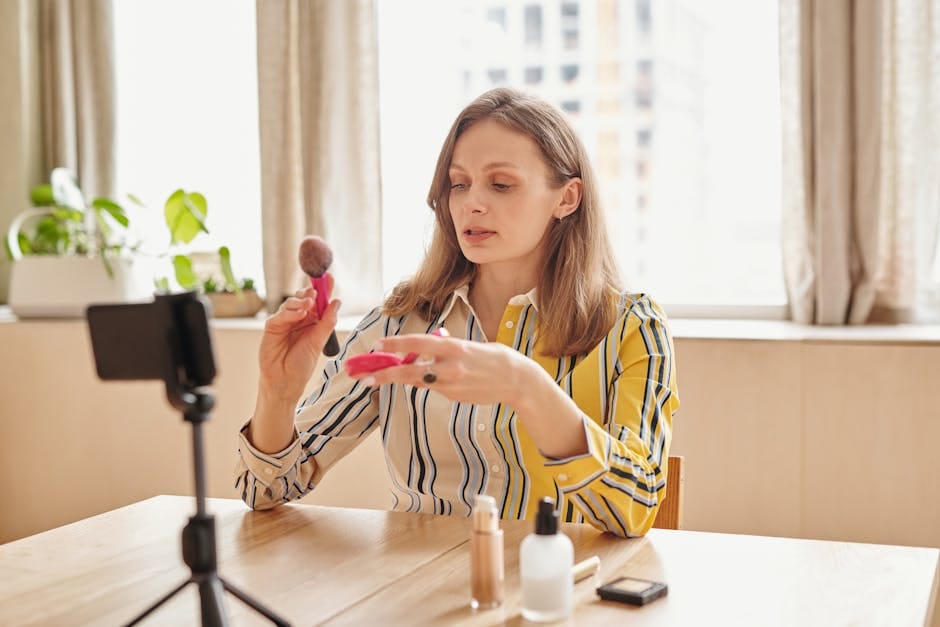
Skincare influencers earn money from brand partnerships. The recommendations correlate strongly with which brands paid for the content. A handful of independent voices exist; most of what dominates Instagram and TikTok is sponsored content disguised as personal recommendation.
How to spot the difference
Disclosure language ('partnership', 'paid promotion', 'gifted'). Skip these for honest recommendations. Consistent praise across many brands. Genuine reviewers say what doesn't work. New product hauls every week are sponsorship vehicles.
Where to find honest skincare information
Dermatologists with public profiles (Dr Sam Bunting, Dr Idriss, Dr Shereene Idriss). Peer-reviewed dermatology research. Skincare communities focused on ingredients (r/SkincareAddiction). The Inkey List or Paula's Choice published evidence reviews.
Influencer recommendations are entertainment, not advice. The boring sources — dermatologists and ingredient analysis — give better information without the sponsorship bias.